
You can start with five sets of 10 reps and aim to do more over time. To get a complete picture, track your best set performance and the total number of reps per workout. Logging training details like exercises, the number of sets, the reps per set, and even your RPE means you have concrete information on what you’re doing and if you’re improving. Even if you use a notebook, you can flip the pages a few months back, see how much you were lifting on a given exercise, and compare it to now. The app tracks your progression across exercises and provides charts showing strength gains.
Don’t Add Weight When…
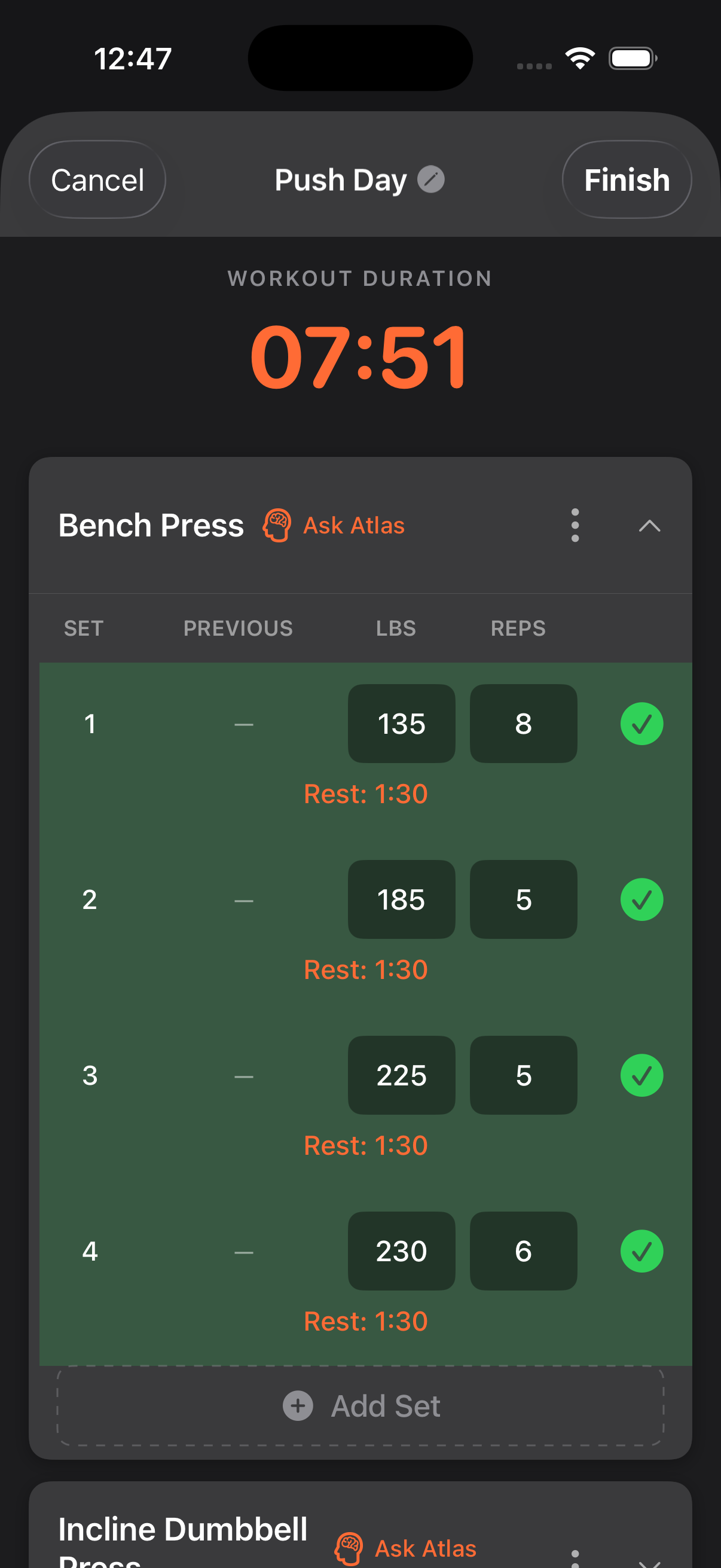
Volume load calculations are automatic and visual, making it easy to see if you’re increasing total training stress appropriately. Progressive overload is the foundation of strength training. Here are the 5 best apps for tracking your progression, ranked by effectiveness, features, and value. Detailed reviews with honest pros and cons. Master the art of tracking progressive overload with proven methods, tools, and systems.
Does the thought of tracking your strength gains make you feel like you need to be a professional athlete or a seasoned coach? Progressive overload is the structured and intentional increase of physical stress on the body over time, forcing it to adapt and grow stronger. This method is backed by decades of sports science and is the cornerstone of sustainable fitness progress, whether your goal is to build muscle, burn fat, or increase endurance.
Choosing the Right App for You
Progressive overload is essential workout consistency tools if you want to continue improving. Without it, you would only exercise (as opposed to train) and maintain what you currently have. This is aggressive enough to drive adaptation, but gradual enough to avoid overtraining.
Best Free Workout Tracking Apps 2025: Complete Comparison Guide
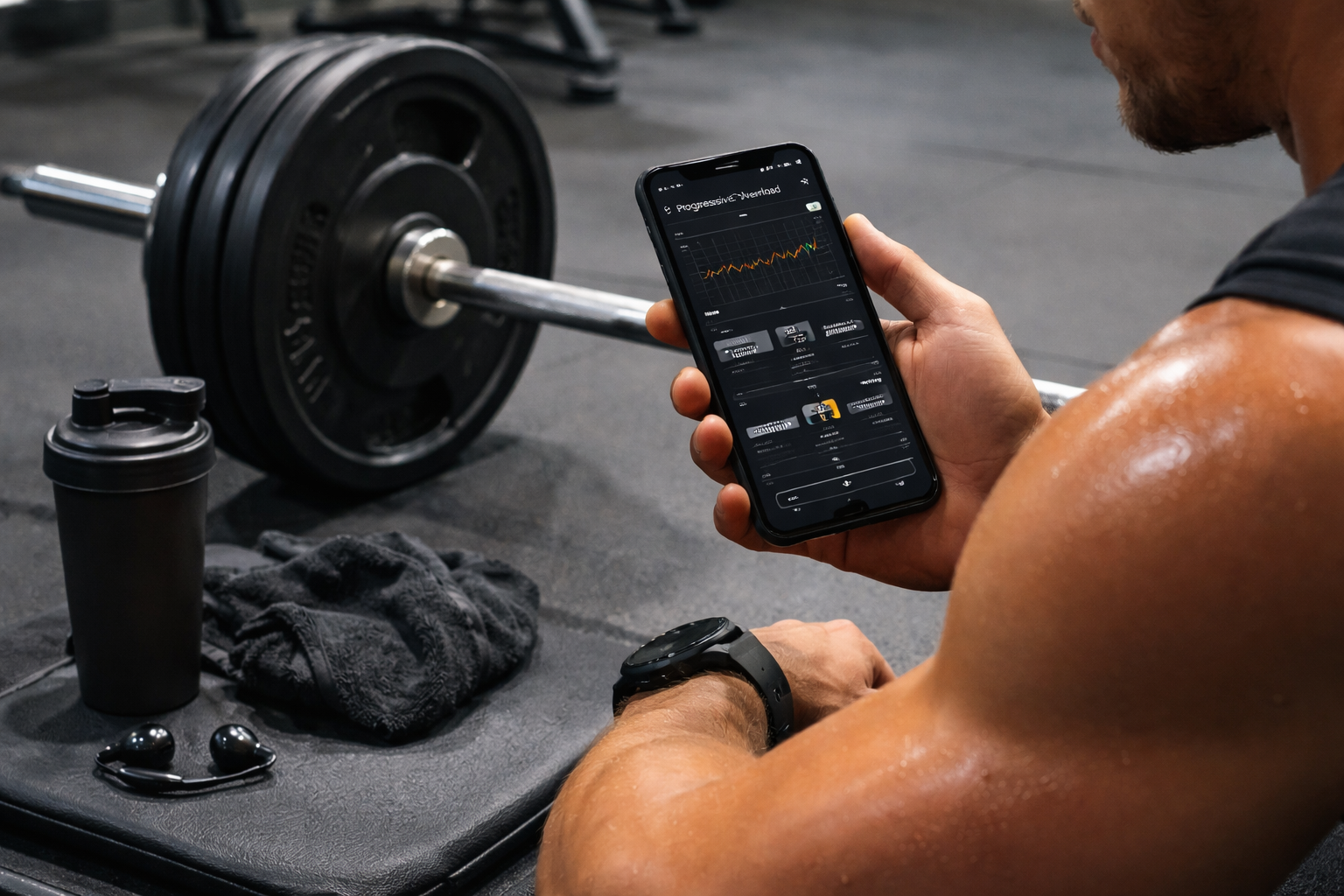
Click here to learn about Hevy’s features, or download and use the app for free. However, these are still not the ideal solution because you don’t get a streamlined way to analyze your training data and look at long-term trends. Sure, all your numbers are there, but you must scroll up and down each note to see what you did before and how it compares to now. You can also write notes to list training details that might be relevant––for example, you modified an exercise in a specific way.
Long Lever Plank
You ramp volume and intensity across weeks, deload, and start the next block from a higher baseline. A deload planner can help you time those recovery weeks. PumpX pairs an AI strength coach with the gamified workout tracker your last six apps wish they were.
What are the Best Motivational Hacks for Solo Training? Top 7 Tricks
Progressive overload is one of the key principles that allows us to design effective training programmes in both the long and short term. Understanding and implementing it can help us move towards our goals much more effectively. Stay at the same weight and add reps each week until you hit 12.
Building a Tracking Habit
✅ Great balance of effort, recovery, and muscle isolation (1). You don’t need automated periodization yet because your body responds to almost any progressive stimulus. Automated overload removes human inconsistency.
- Failed attempts are still progression signals.
- Most adults require between seven to nine hours of quality sleep per night.
- That’s where the simple yet powerful “2-for-2 Rule” comes in.
- Progressive overload remains the key driver, requiring incremental increases to training stimulus paired with adequate recovery.
- They’re winging it with scattered notes, trying to remember last week’s weights, and wondering why their progress stalled.
- The key is understanding which training variables you can tweak based on your goals and recovery capacity.
The best apps (PRPath, Strong, Hevy) show previous sets right on the workout logging screen. You never have to navigate away or remember numbers. The ultimate workout tracking app to help you reach your fitness goals. Download the Overload Fitness app to track your workouts, monitor progress, and achieve your fitness goals. Start tracking your progressive overload systematically, and watch your strength skyrocket. They know they need to “progressively increase the challenge,” but when it comes to the practical day-to-day tracking?
Best Apps for Progressive Overload Training
This principle is key for stimulating muscle growth, improving strength, and increasing endurance. By consistently challenging your body beyond its current capabilities, it adapts by becoming stronger and more resilient. For example in running, tracking the amount of kilometres ran will be important to see if your applying progressive overload. Each method varies the stimulus to muscle fibers, fostering balanced development and strength enhancement. However, strategic integration with proper recovery is critical to avoid overtraining and maximize gains.
Mistake #2: Sacrificing Form for Numbers
The most successful lifters aren’t those with perfect genetics or unlimited time—they’re the ones who consistently track their progress and make data-driven decisions. Progressive overload can come in many different forms, but it can be described as slowly augmenting the stress placed upon the body to move it towards specific adaptation. This progressive nature can allow us to organise our training in a way to see optimal results. Protein is one of the key nutrients for muscle growth, and getting enough protein is a simple way to get better training results. Use our protein calculator to calculate your daily need. This includes three weekly strength, cardio, and active recovery sessions, offering balance without burnout (Women’s Health).
How to Track Your Leg Day Workouts
This scale allows for auto-regulation, meaning the load can be adjusted based on how you feel on any given day. Pen and paper is an old-school approach that’s still used today. Having a physical log and writing on paper can be satisfying and help you stay motivated to log workouts. Plus, pocket-sized logs are easy to carry around and use to record your gym sessions. For example, let’s say you felt exhausted after a long workday and had an impromptu deload session instead of skipping the gym.
Log sets, level up your Pumposaur, and compete with friends — all in one place. This step is often skipped, but it’s crucial for creating a personalized, safe, and effective progressive overload plan. Block Periodization dedicates specific training blocks to different adaptations.
Failed attempts are still progression signals. Weekly Summary Page – Total volume per exercise, per muscle group, comparison to previous week, and “On track?” checklist. Better form increases the stimulus to the target muscle and decreases compensation from other muscles.
Reviewing your logged data allows you to identify clear trends in your strength development, confirming whether your progressive overload strategy has been successful. You should look for consistent, week-over-week increases in total volume or sustained performance at a desired RPE. If you’re not gradually increasing the demands on your muscles, you’re not getting stronger.