
Understanding the psychology of players at pinco casino What drives their choices in the casino
The Thrill of Uncertainty
At the core of casino gaming lies the thrill of uncertainty. Players are often drawn to the unpredictable nature of gambling, where every spin of a slot machine or roll of the dice can yield surprising outcomes. This unpredictability can trigger a psychological response that stimulates excitement and anticipation. The rush that comes from betting on an uncertain outcome often outweighs the rational considerations of risk and reward, enticing players to engage in games even when they are aware of the potential financial consequences. As players navigate this landscape, the Pinco login helps them access their accounts smoothly.
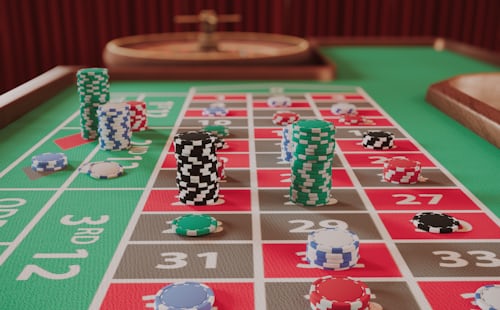
Moreover, this thrill is compounded by the design of casino environments. Bright lights, vivid colors, and immersive sounds create an atmosphere that reinforces the excitement of the gaming experience. Casinos like Pinco leverage these sensory elements to heighten emotional responses, making players more likely to indulge in gambling behaviors. By appealing to the thrill-seeking aspect of human psychology, casinos successfully attract and retain a diverse clientele eager for excitement.
This need for thrill isn’t just about the gambling itself; it also reflects a deeper psychological drive towards novelty and adventure. Many players are searching for an escape from the mundane routines of daily life, and casinos provide a vibrant alternative. As a result, understanding how the thrill of uncertainty motivates player behavior is crucial for both casino operators and players themselves.
The Role of Social Influence
Social dynamics play a significant role in shaping players’ choices in the casino. Many people enjoy the communal aspect of gaming, often choosing to gamble with friends or family. This social engagement can amplify the excitement and enjoyment of the gaming experience. When players witness others winning or having fun, they may feel compelled to join in or increase their bets, driven by social validation and the desire for shared experiences. The idea of making a casino login to access features with friends only amplifies this joy.
Additionally, the presence of other players can create a sense of competition, fostering an environment where individuals feel encouraged to take risks. The concept of ‘peer pressure’ can lead players to make choices they might otherwise avoid in a more solitary setting. In this sense, casinos are not just places for solitary gambling but social hubs where shared experiences significantly influence individual choices.
Moreover, social media and online platforms are increasingly shaping how players engage with gambling. As stories of big wins circulate, individuals are often inspired to try their luck, motivated by the desire to emulate those celebrated experiences. This trend reflects how social influences can drive decisions in the casino, highlighting the interconnected nature of community and gambling.
Cognitive Biases and Decision-Making
Cognitive biases significantly impact how players make decisions while gambling. One of the most common biases is the ‘illusion of control,’ where players believe they can influence outcomes despite the randomness of games like slots and roulette. This false sense of agency can lead to overconfidence, causing players to place larger bets or continue gambling even when they should stop. Recognizing these biases is essential for understanding player behavior at Pinco Casino.
Another relevant cognitive bias is the ‘gambler’s fallacy.’ Many players believe that past outcomes influence future results, leading them to make decisions based on previous spins or rolls. For instance, a player might assume that a winning streak must end soon, prompting them to bet heavily on a losing outcome. Such thinking illustrates how cognitive biases can cloud judgment and lead to irrational gambling behavior, emphasizing the importance of education and awareness among players.
Furthermore, the casino environment itself can exacerbate these biases. The use of near-misses in games, for example, can create a psychological phenomenon where players continue gambling because they feel a win is imminent. Understanding these cognitive factors provides critical insights into why players make certain choices and how casinos can structure their offerings to either encourage responsible gambling or heighten engagement.
The Impact of Rewards and Reinforcement
Reward systems are central to the appeal of casinos, influencing player choices significantly. Whether through jackpots, free spins, or loyalty programs, the prospect of rewards serves as a powerful motivator for continued engagement. Casinos are adept at leveraging behavioral psychology, using reinforcement principles to encourage repeated play. This can lead players to chase losses or continue playing long after they should have stopped, all in the hope of securing that elusive win.
The concept of intermittent reinforcement plays a crucial role in this dynamic. Players may receive sporadic rewards, which can create an addictive cycle of behavior as they continually seek to experience the thrill of winning. This unpredictability of rewards fosters a sense of excitement that keeps players returning, even in the face of repeated losses. It’s a compelling reminder of how casinos effectively tap into psychological principles to enhance player retention and engagement.
Moreover, the emotional highs associated with winning can create a feedback loop that reinforces gambling behavior. Players often remember their wins more vividly than their losses, leading to an optimistic outlook that can skew their decision-making. By understanding the psychology behind rewards and reinforcement, both players and casino operators can make more informed choices about gambling behavior.

Empowering Players Through Knowledge
Understanding the psychology behind player choices at Pinco Casino is essential for fostering a healthy gambling environment. By providing resources and information about the psychological factors influencing gambling behavior, the casino can empower players to make more informed decisions. Knowledge about cognitive biases, social influences, and the mechanics of rewards can help players recognize when they might be at risk of making irrational choices.
Furthermore, education about responsible gambling practices is critical in ensuring that players engage with games in a safe and enjoyable manner. By promoting awareness around the thrill of gambling, the social dynamics at play, and the psychological principles influencing behavior, casinos can cultivate a more sustainable gaming community. This approach not only protects players but can also enhance their overall experience.
Ultimately, a deeper understanding of player psychology can lead to a more responsible gambling culture. As the landscape of online gaming continues to evolve, it is vital for players to remain informed and for casinos to prioritize education as a means of enhancing player trust and promoting safe gaming practices.